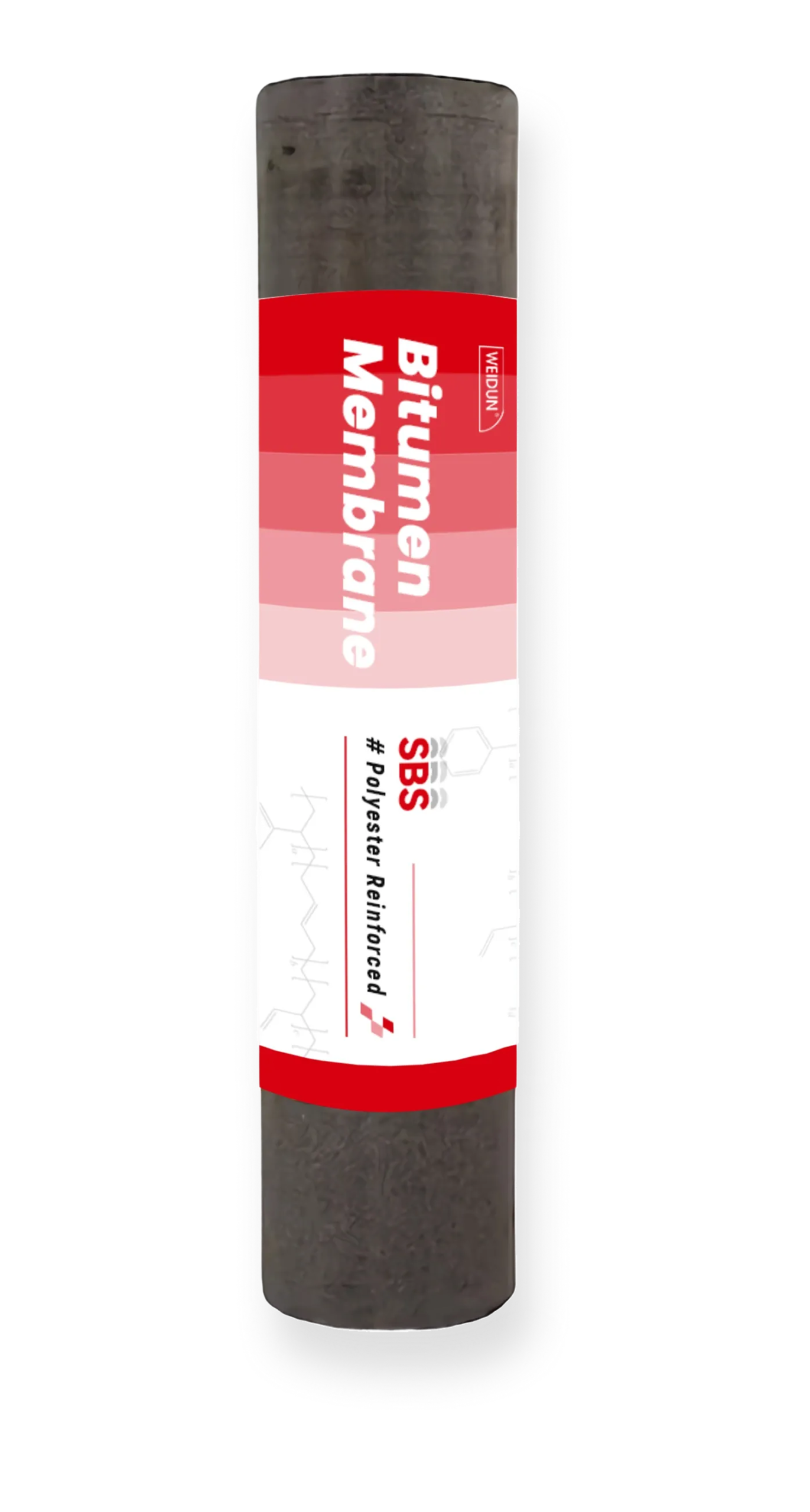
Weidun® 001 PE Smooth Bitumen Membrane for Roof and Basement Waterproofing

Weidun® 001 PE Smooth Bitumen Membrane for Roof and Basement Waterproofing
Download PDF Interested in this products

Specially formulated modified asphalt gives a lasting performance. Easy to apply by torching. Available guarantee of up to 20 years.

Top:
Fine Sand
Middle:
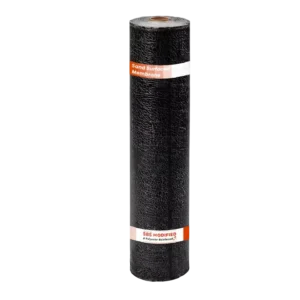
Bitumen with polyester Reinforced Mat
Bottom:
Substrate
  • Specially formulated modified asphalt gives a lasting performance.
  • Easy to apply by torching.
  • Available guarantee of up to 20 years.

Application Areas

  • Substrate Preparation, Priming, Torching Equipment,
  • Installation, Bonding, Storage,

Product Highlights

Features & Benefits

shipping icon

Superior Durability

Strong, durable and manufactured to consistent dimensions

time icon

Lasting Value

Enjoy a zero-maintenance with a 20-year warranty for the quality you can trust

oem icon

OEM Available

Offer superior performance based on your region's unique climate needs

Product Details

As a cornerstone of modern waterproofing, bitumen membranes remain the premier choice for roofs and basements due to their superior durability, exceptional tensile strength, and proven long-term moisture barrier performance across industrial and commercial construction.

Advantages
  • Weidun Waterproofing has a full line of Modified Bitumen Waterproof Membranes.
  • The resilient polyester mat core allows it to resist splits and tears due to its elongation characteristics.
  • Specially formulated modified asphalt gives a lasting performance.
  • Easy to apply by torching.
  • Available guarantee of up to 20 years
Installation Guide
1. Surface Preparation
Ensure the substrate is thoroughly cleaned, structural sound, smooth, and completely dry. Remove all dust, oil, and loose debris to provide an optimal bonding surface for membrane adhesion.
2. Primer Application
Apply a solvent-based or quick-drying emulsified bitumen primer cold. If using non-curable rubberized asphalt coating instead of standard primer, heat it to specified temperatures before uniform application.
3. Torch-On Membrane Laying
Unroll the membrane, align correctly, and apply standard flame torching to melt the bottom asphalt layer. Progressively roll forward, ensuring fully bonded seams with neat, visible compound bleed-out.
4. Protective Layer Installation
For basement and foundation applications, install drainage boards or a fine gravel protective layer. For exposed roofing systems, apply a durable cement mortar screed or concrete protection course.

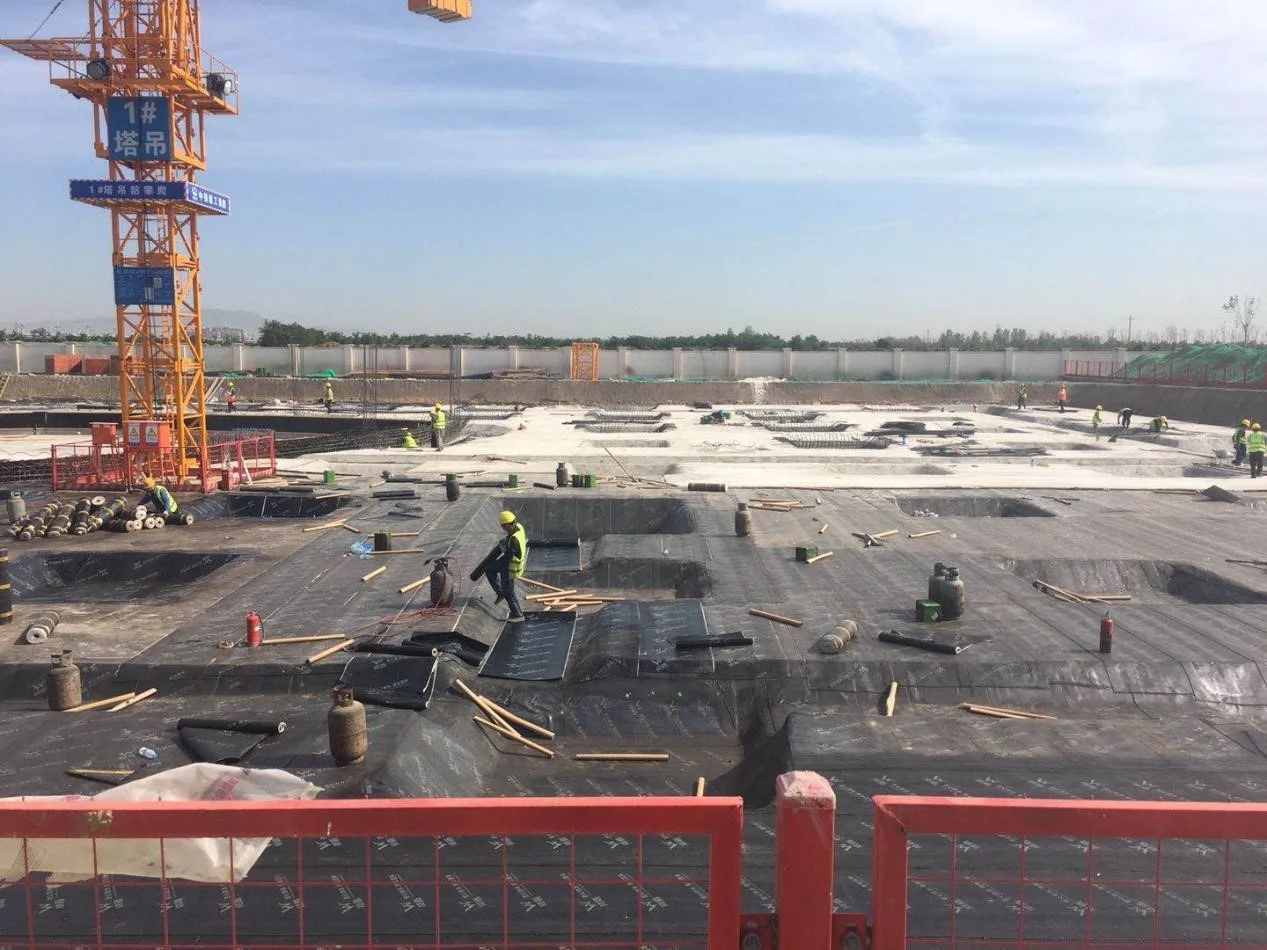
Featured Project Reference: Basement Waterproofing Project in Hanoi, Vietnam


Project Location: Hanoi, Vietnam


Application: Basement Slab Waterproofing for Commercial Complex


Product Used: Weidun Bitumen Waterproofing Membrane


Weidun bitumen waterproofing membrane was applied for a 10,000 sqm basement slab waterproofing project of a commercial complex in Hanoi, Vietnam. The project was completed within 8 days with strict quality control during installation.

CTA – View Project →

PE Film Surface vs Mineral Granule Surface: Which Bitumen Membrane Is Right for Your Project?


Feature PE Film Surface Membrane Mineral Granule Surface Membrane
Primary Application Underground waterproofing, concrete roofs with protective layers Exposed roofing systems
UV Resistance Requires a protective layer Excellent UV resistance for long-term exposure
Surface Finish Smooth PE film Colored mineral granules
Traffic Resistance Not designed for direct exposure Better resistance to foot traffic and surface wear
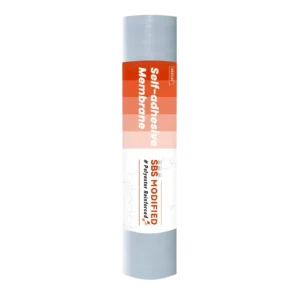
Installation Torch-applied or self-adhesive depending on product Torch-applied
Protective Layer Required Yes Usually not required
Project Cost Lower material cost, but additional protection may be needed Higher initial cost, lower overall installation cost for exposed roofs
Typical Service Environment Basement slabs, foundation walls, buried structures, protected roofs Industrial roofs, commercial buildings, warehouses, factories
Recommended Climate Suitable for most climates when protected Ideal for areas with strong UV radiation and harsh weather

Which One Should You Choose?

PE film surface bitumen membranes are the preferred solution for waterproofing systems that will be covered by concrete, screed, insulation boards, or other protective layers. They offer excellent waterproofing performance at a competitive cost.

Mineral granule surface membranes are specifically designed for exposed roofing applications. The granule finish protects the bitumen from UV degradation, improves weather resistance, and provides a more durable walking surface. For industrial buildings, warehouses, and commercial roofs that remain exposed to sunlight, mineral surface membranes are generally the better choice.

Still unsure which membrane suits your project? Contact Weidun’s technical team for a free recommendation based on your climate, substrate, and project requirements

Storage and Handling

To maintain product integrity, store rolls vertically on end in a clean, climate-controlled environment. Keep sheltered from direct sunlight and moisture, and routinely inspect storage conditions to prevent any physical or environmental degradation.

Technical Data Sheet

Property Standard Minimum Value Weidun Value
Thickness, mils (mm) > 4.0 4.02
Length min, meter (m) > 10.0 10.03
Soluble content (g/m²) > 2900 3122
Tensile strength at 23°C +/-2°C (%) > 500 550
Tear strength at 23°C +/-2°C (%) > 150 320
Elongation at 23°C +/-2°C (%) > 30 34
Dimensional stability (%) 0.5 0.03
Low-temperature flexibility at -35°C No crack No crack
Quality loss after heating condition (%) No flow No flow

Water penetration (Maintain a water pressure of 1.5 bar for 7 days)
Non-penetration Non-penetration
Product Application Processes

Weidun® 001 PE Smooth Installation Guide

Weidun® 001 PE Smooth installation process involves surface preparation, priming, cutting and positioning, heating and bonding, sealing, and the installation of a protective layer. Careful attention to each step is necessary to ensure a high-quality and long-lasting waterproofing system.

More About Installation
Weidun® 001 PE Smooth Installation Guide
FAQ’s

Frequently Asked Questions

Clear, honest answers about how our Product.

Does smooth PE bitumen membrane require a protective layer after installation?
Yes. Smooth PE bitumen membrane is generally designed as a concealed waterproofing layer rather than a permanently exposed surface. After installation and inspection, an appropriate protective layer should be applied according to the project design to protect the membrane from UV exposure, mechanical damage, and subsequent construction activities.
How much smooth PE bitumen membrane can be loaded in a 20-foot container?
A standard 20-foot container can load approximately 5,000 m² of smooth PE bitumen membrane. The final loading quantity may vary slightly depending on membrane thickness, roll dimensions, pallet requirements, and packaging method.
Where is smooth PE bitumen membrane commonly used?
Smooth PE bitumen membrane is commonly used for roofs, basements, foundations, underground structures, and other concealed waterproofing applications. It is particularly suitable for projects where a protective or finishing layer will be installed over the waterproofing membrane.
Where is smooth PE bitumen membrane commonly used?
Yes. We recommend applying a bitumen-based primer before membrane installation to improve adhesion between the membrane and the substrate. One of the most economical and environmentally friendly options is a concentrated bitumen-based primer, which can be applied by cold application without using an open flame.
How should the substrate be prepared before installation?
The substrate should be thoroughly cleaned before applying the primer and membrane. Remove dust, loose particles, debris, oil, and other contaminants that may affect adhesion. Proper substrate cleaning is one of the simplest but most important steps for achieving reliable membrane bonding.

FAQ’s

Most Asked Questions

The primary difference lies in their surface finish and application exposure. Smooth membranes (PE/Sand finish) are typically used in multi-layer waterproofing systems as underlayments, base sheets, or non-exposed areas (like underground foundations and basements). Granule-faced membranes (mineral slate finish) feature a layer of crushed mineral granules that provide built-in UV protection, making them ideal as exposed top sheets (cap sheets) for roofing applications.

Generally, no. Standard smooth polymer-modified bitumen membranes lack long-term UV protection. If left exposed to continuous sunlight, the bitumen will accelerate aging, dry out, and crack over time. If a smooth membrane like Weidun® 001 PE is used on an exposed roof, it must be covered with a protective layer, such as a gravel ballast, concrete screed, or a liquid-applied UV-reflective coating.

A non-woven polyester mat carrier provides significantly higher tensile strength, superior puncture resistance, and exceptional elongation capabilities compared to fiberglass. This allows the membrane to absorb structural movements, thermal expansions, and heavy mechanical stresses without tearing. Fiberglass-reinforced membranes are more rigid and best suited for stable structures with minimal movement.

Yes, smooth bitumen membranes (such as PE or sand finish) are excellent and highly recommended for below-grade applications, including basements, retaining walls, deep foundations, and tunnels. Since these areas are backfilled and completely shielded from UV rays, the smooth finish allows for seamless, tight bonding with subsequent layers and excellent hydrostatic pressure resistance.

To prevent deformation and ensure product integrity, rolls must always be stored vertically (on end) on a flat, clean, and dry surface. Keep them sheltered from direct sunlight, rain, and extreme weather. It is recommended to maintain storage temperatures between 5℃ to 40℃  and avoid stacking pallets more than two layers high to prevent crushing.