What We Offer
Product Introduction
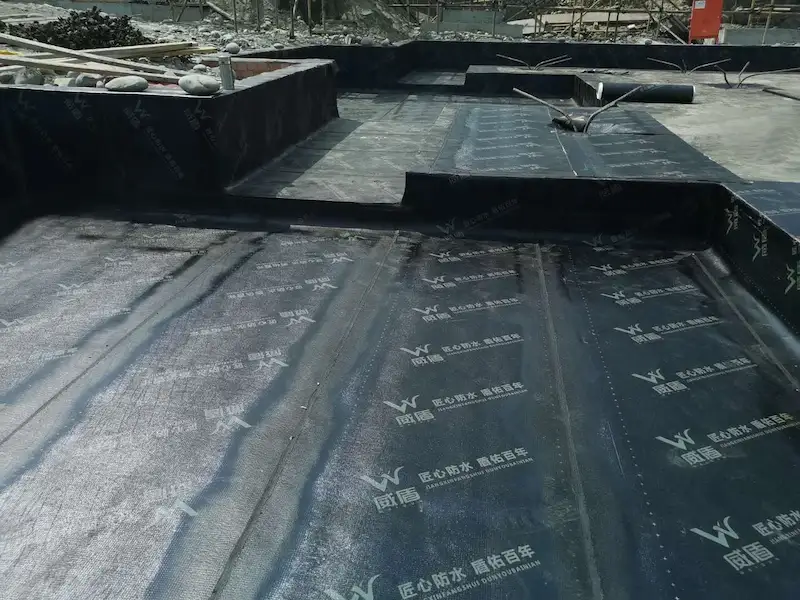
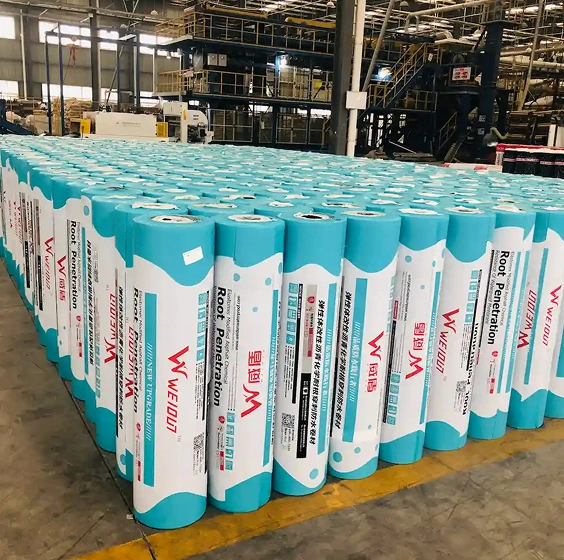
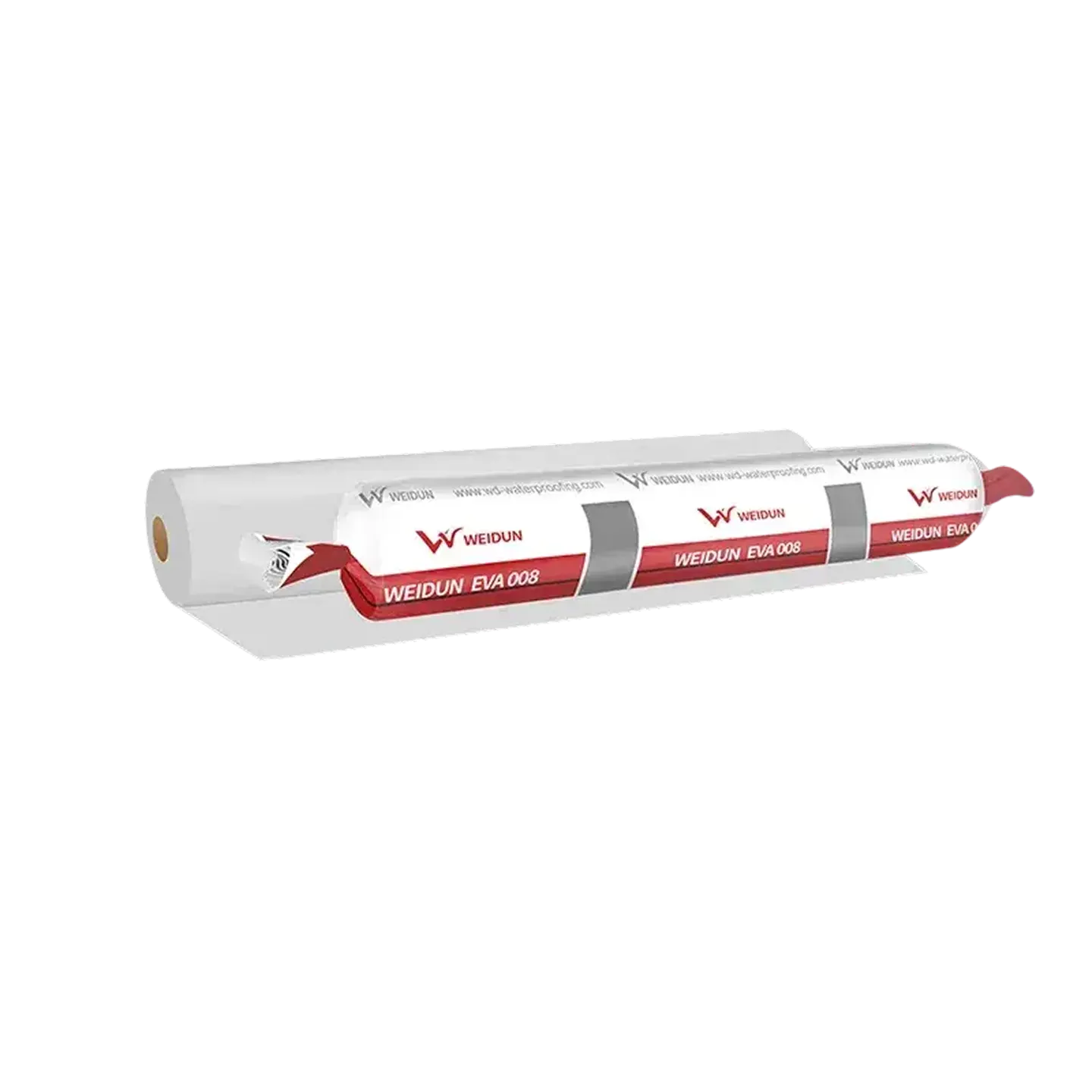
This HDPE pre-applied self-adhesive waterproofing membrane is installed before structural concrete is poured. With its sanded surface facing upward, the membrane bonds with the fresh concrete as it cures, forming a fully adhered waterproofing system that prevents water migration between the membrane and the structure.
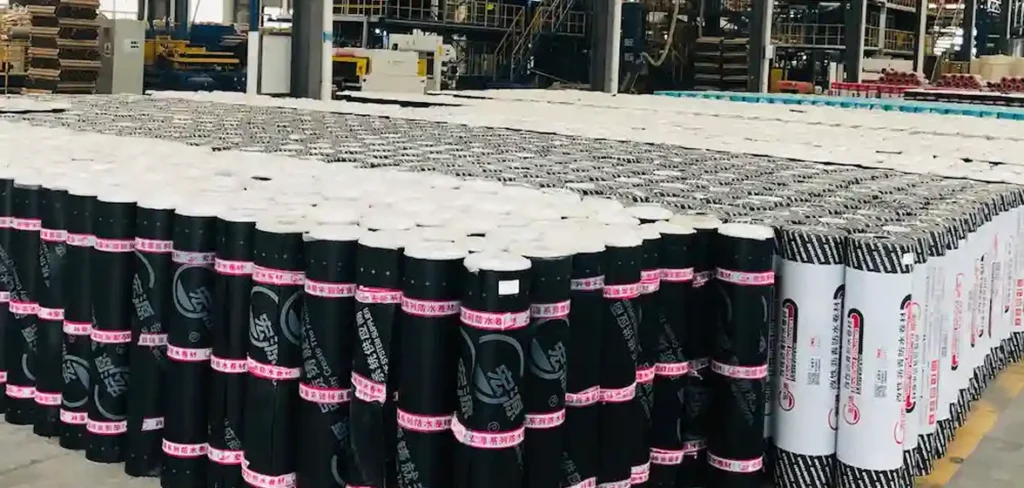
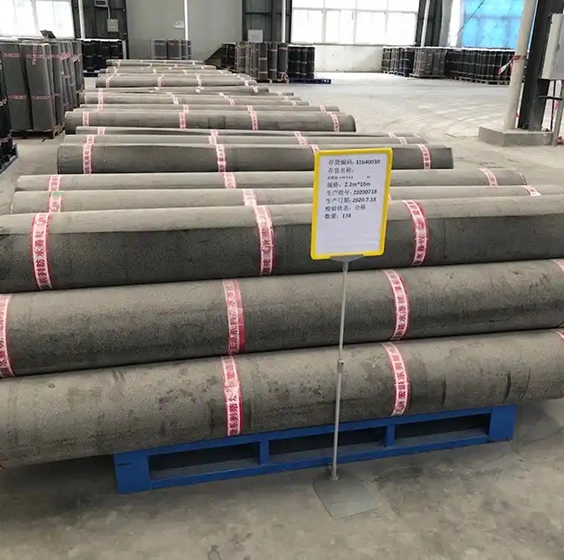
Weidun® 001 PE Smooth Bitumen Membrane is a strong, resilient, non-woven polyester mat that is coated with flexible, polymer-modified bitumen and is smooth. It is a time-proven system that has been around for decades due to its reliable performance.
Project-Based Insights
Southeast Asia experiences tropical heat, high humidity, and frequent heavy seasonal rainfall.
The fully bonded barrier is suited to underground foundations, basements, utility corridors, and transport infrastructure where groundwater seepage must be controlled.

Elongation

Measured Performance
Middle Eastern conditions combine extreme summer heat, intense sunshine, aridity, and occasional heavy storms.
For deep excavations, basements, elevator shafts, and underground parking structures, the pre-applied system is installed where later access to exterior waterproofing is restricted.

20.85 MPa Tensile Strength

1169 N Puncture Resistance
North Africa combines hot arid interiors, intense sunlight, and seasonally wetter Mediterranean coastal conditions.
The membrane supports below-grade civil and industrial projects by bonding directly to subsequently poured concrete and restricting lateral water movement at damaged points.

Bonded Barrier

Locked-Point Leak Control
Quick Product Guide
Essential information for contractors, engineers, distributors, and project buyers selecting below-grade waterproofing systems.
An HDPE pre-applied self-adhesive waterproofing membrane is laid before the main concrete structure is poured. Its sanded surface faces upward so the fresh concrete can interact with the adhesive layer during curing.
This process creates full adhesion between the waterproofing layer and the structure, eliminating channels through which water could otherwise migrate.
The system is used for underground building foundations and basements, subway and railway tunnels, utility tunnels and pipe galleries, industrial and civil bunkers, deep excavation pits, elevator shafts, underground parking garages, reservoirs, sewage treatment tanks, and industrial basements.
Lay the membrane on the leveled substrate with the adhesive side and sanded surface facing upward, then seal the lap joints. Rebar is assembled directly above the membrane before structural concrete is poured and vibrated. As the concrete cures, it bonds with the adhesive layer to create a fully adhered waterproofing system.
Why Choose Us?
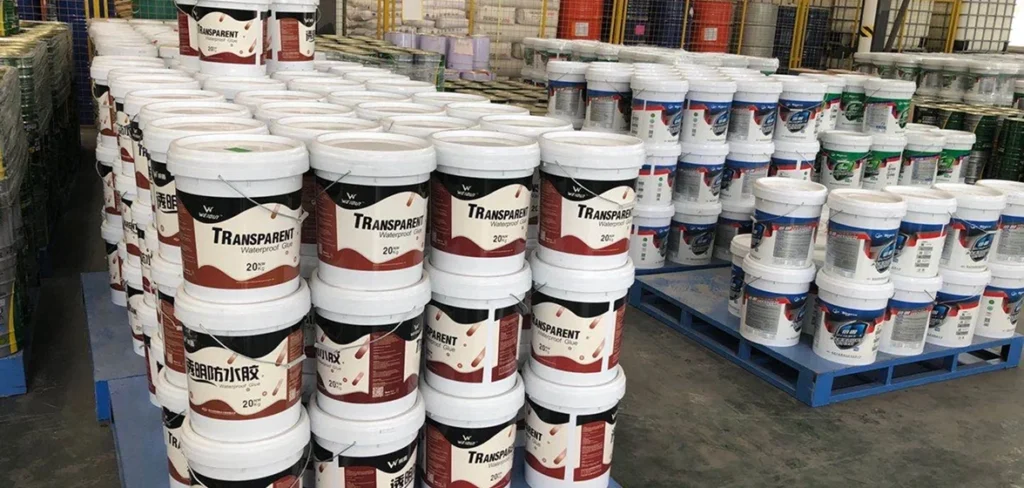
Weidun has more than 30 years of manufacturing experience, with products tested according to ISO and ASTM standards. We provide OEM support to help customers build local brand awareness and have exported waterproofing products to more than 20 countries.
The membrane forms a skin-type waterproofing layer rather than a loosely separated raincoat-style barrier. If localized damage occurs, water remains confined around that point instead of migrating between the waterproofing layer and the concrete structure.

High elongation helps the membrane accommodate movement while maintaining waterproofing continuity.

Puncture resistance protects the waterproofing layer during foot traffic and rebar installation.

Strong tensile performance supports membrane integrity under demanding below-grade construction conditions.

Full adhesion blocks migration channels and confines leakage around localized membrane damage.
Products Comparison
This membrane is positioned beneath subsequently poured concrete with its sanded adhesive surface facing upward. During curing, the concrete and adhesive layer form a chemical-mechanical bond, creating skin-type waterproofing that prevents water from migrating between the membrane and the structure.
HDPE geomembrane is manufactured for extremely low permeability, with a coefficient as low as 1 × 10⁻¹⁷ cm/s. Because one sheet cannot cover an entire containment area, adjacent sheets are joined by on-site heat-fusion welding to create an integrated sealed lining.
Technical Performance
| Primary Goal | Fully bonded structural waterproofing | Extremely low-permeability containment lining |
| System Interface | Bonds to subsequently poured concrete | Multiple sheets form a sealed lining |
| Installation | Pre-laid sanded side upward; laps sealed | Adjacent sheets joined by heat-fusion welding |
| Water-Control Logic | Full adhesion prevents lateral water migration | Permeability as low as 1 × 10⁻¹⁷ cm/s |
| Typical Positioning | Below-grade concrete structures | Welded containment and lining systems |
Both HDPE systems control water, but their system designs and project roles are different.
HDPE pre-applied waterproofing membranes are installed before structural concrete is poured. Their adhesive layers bond with the curing concrete, forming skin-type protection that prevents lateral water migration and confines leakage if localized damage occurs.
In contrast, HDPE geomembranes provide ultra-low permeability, with a coefficient as low as 1 × 10⁻¹⁷ cm/s. Multiple sheets must be heat-fusion welded on site to create an integrated sealed containment lining.
Choose the pre-applied system when full bonding to a below-grade concrete structure is required. Select HDPE geomembrane when the project calls for an extremely low-permeability lining assembled through field-welded seams.
Expert Insight
Unroll the HDPE polymer self-adhesive membrane directly over the leveled substrate, keeping the sticky layer and sanded surface facing upward. Seal all lap joints with hot-air welding or dedicated self-adhesive tapes to form a continuous, robust vapor and water barrier.
Assemble the foundation rebar mesh directly over the installed membrane and use high-density concrete spacers to provide elevation. The puncture-resistant surface protects the waterproofing layer against damage caused by construction traffic, rebar work, and movement across the installed sheets.
Step 3 — Concrete Pouring and Curing: Pour and thoroughly vibrate the structural concrete over the prepared rebar. As the fresh concrete sets, its cement paste reacts and fuses with the membrane’s specialized polymer adhesive coating, initiating a permanent chemical-mechanical bond.
Step 4 — Fully Bonded Waterproofing System: As curing continues, the HDPE membrane achieves full, seamless adhesion to the concrete structure. This eliminates water-migration channels between the membrane and concrete, supporting long-term leak protection even if structural micro-cracks develop over time.
Testimonials
During our initial communication, I was concerned that too many customization requests might be difficult to fulfill. However, WEIDUN Company has satisfied almost all of them.

Minh Nguyen - Vietnam
As a subcontractor, every time after the construction inspection, the main contractor is extremely satisfied with our product quality. This has been our sixth year of cooperation with WEIDUN.

Admad Arif - Dubai
The temperature difference between day and night in our region is quite significant. However, the products of WEIDUN have withstood the test. Although the prices of these products are relatively high, they have indeed been flawless.

Saleh Abbas - Libya
During our initial communication, I was concerned that too many customization requests might be difficult to fulfill. However, WEIDUN Company has satisfied almost all of them.

Minh Nguyen - Vietnam
As a subcontractor, every time after the construction inspection, the main contractor is extremely satisfied with our product quality. This has been our sixth year of cooperation with WEIDUN.

Admad Arif - Dubai
The temperature difference between day and night in our region is quite significant. However, the products of WEIDUN have withstood the test. Although the prices of these products are relatively high, they have indeed been flawless.

Saleh Abbas - Libya
Production to Shipment
Choose the Right Products
Our product line supports the technical requirements of underground civil engineering, water-retaining structures, and industrial construction.
FAQ’s
The concrete cures against the membrane’s adhesive layer to create full adhesion. This prevents water from migrating between the waterproofing layer and the structure, while localized damage remains confined around the affected point.
Yes. After the membrane is laid with its sanded surface facing upward, workers can walk on it and tie the reinforcement directly above it. The puncture-resistant surface helps protect the waterproofing layer during these operations.
The membrane uses a simple cold-installation process without open flames. Rebar work and concrete pouring can proceed directly above the installed membrane, so no additional protective layer is required.
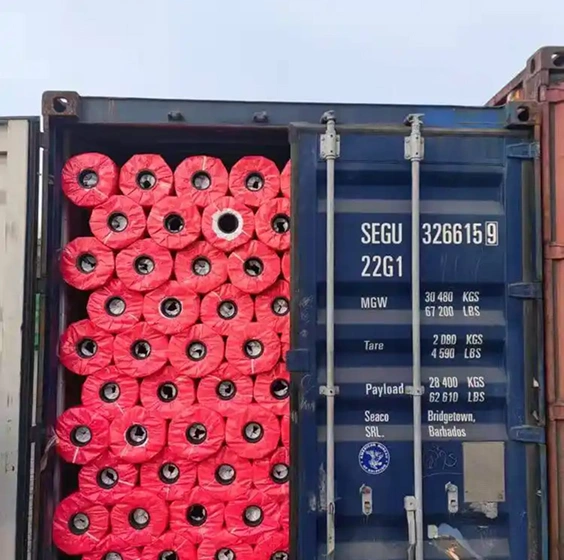
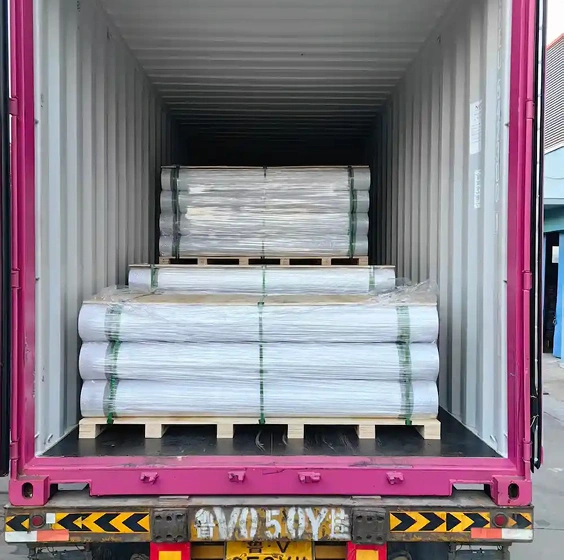
Yes. OEM service is available, including printing the customer’s logo to support local brand awareness. Container loading quantities should be confirmed directly with the manufacturer according to the order requirements.
Get in Touch
Tell us about your below-grade waterproofing project, sample request, OEM requirements, or delivery destination, and our team will contact you.
Choose HDPE pre-applied waterproofing backed by more than 30 years of manufacturing experience and an experienced technical team.
Weidun is committed to transparency and sustainability. Please fill out the form below, and our experts will get in touch with you.